
Earthquake in Colombia's Chocó Region: A Human Tragedy That Exposes the Persistent Inequality and Exclusion Faced by Afro-Colombian and Indigenous Communities
Fifteen days after the human tragedy experienced by communities in southwestern Colombia on August 10, following an earthquake measuring 7.4 on the Richter scale, our hearts go out to those affected and to the supportive community that has spared no effort in assisting with rescue operations, setting up shelters, establishing donation collection centers, and organizing community meal programs. Community is the strategy we, as peoples, rely on to sustain ourselves, recover, heal, and rebuild in the midst of crisis and pain.
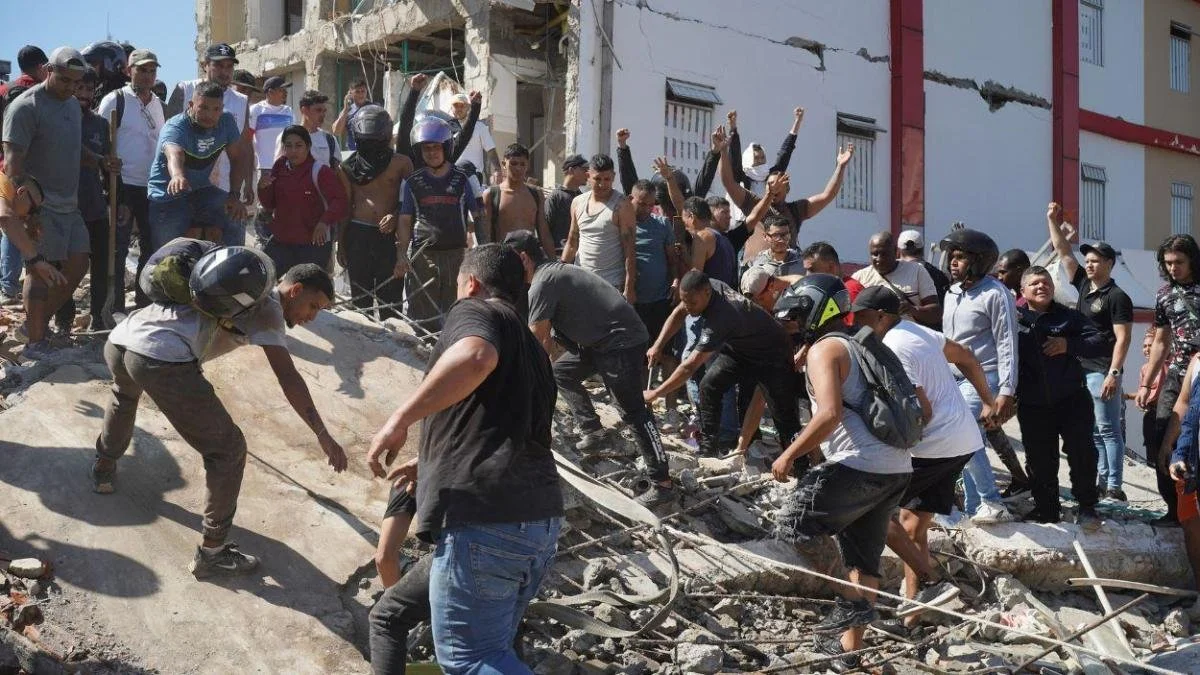
Photo by: El Plural
The San José del Palmar municipality´s, in the Chocó department, was the epicenter of the earthquake. Towns in the Risaralda, Quindío, Valle del Cauca, and Caldas departments were also severely affected. The tragic toll of this disaster includes 289 deaths, 4,187 injuries, 143 people missing, 26,945 homes destroyed, and 185,000 people displaced.
The natural disaster revealed an even more heart-wrenching reality: how inequality in terms of material conditions , opportunities, and government presence determines the level of vulnerability to which populations within the same country are subjected. While the natural disaster had a severe impact on five departments—with Risaralda and Valle del Cauca reporting the highest number of injuries and deaths— It is the department of Chocó that faces “cumulative impact” resulting from historical neglect, which has led to the highest levels of poverty in the country. This has created extremely complex conditions for local response capacity and strategies to recover from the humanitarian emergency..
Given our commitment to defending and raising awareness of the Chocó Biogeographic Region, we have deemed it necessary to join the voices calling for attention to be focused on the communities of the department of Chocó and other nearby areas along the Colombian Pacific coast, inhabited primarily by Afro-Colombian and Indigenous populations, who face violence stemming from the armed conflict, illegal mining, the recruitment of minors, sexual violence, and state neglect within their territories. There are areas where state institutions have never reached.
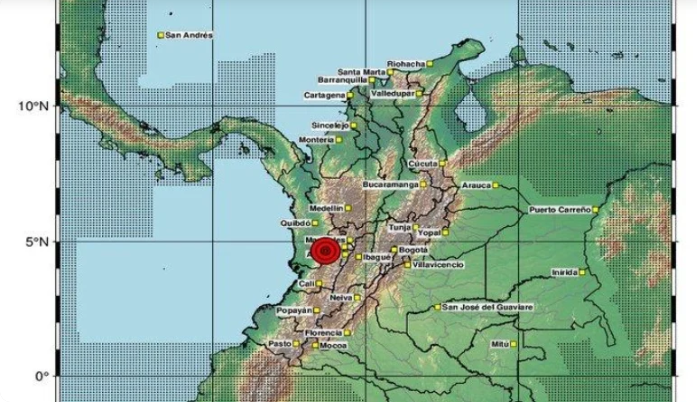
Source: Geological System of Colombia
According to DANE*, in 2024 the department of Chocó accounted for 64% of monetary poverty, far higher than the national average of 34%. In Quibdó, the capital of Chocó, 64 out of every 100 residents live below the poverty line, and 33 out of every 11 live in extreme poverty. Structural problems persist in the department, such as a lack of access to safe drinking water. Chocó requires not only immediate attention to the current emergency but also a definitive solution to its structural problems.
The climatic and geographic conditions in the Chocó department have made it impossible to assess the full extent of the earthquake’s impact or to deliver humanitarian aid. Access to the department was limited by a landslide that blocked the only accessible road, which is in deplorable condition. To date, there are areas where electricity has not yet been restored. The president of the Association of Traditional Indigenous Authorities of the Baudó Region denounced the invisibilization of the tragedy, in which several families are left exposed to the elements. The rural areas of Chocó are predominantly inhabited by indigenous populations.
For her part, Chocó's governor —as a strategy to address the state’s prolonged absence and the fact that the people of Chocó have “gotten used to” solving problems on their own—has planned to establish a “materials bank.” Through this initiative, construction materials will be collected to help families repair and reinforce the structures of homes where such work is feasible, in accordance with guidelines from experts in engineering and seismic structural architecture.
We invite you to keep your attention and solidarity focused on Colombia, particularly on the affected communities in the Chocó department and along the Pacific coast.
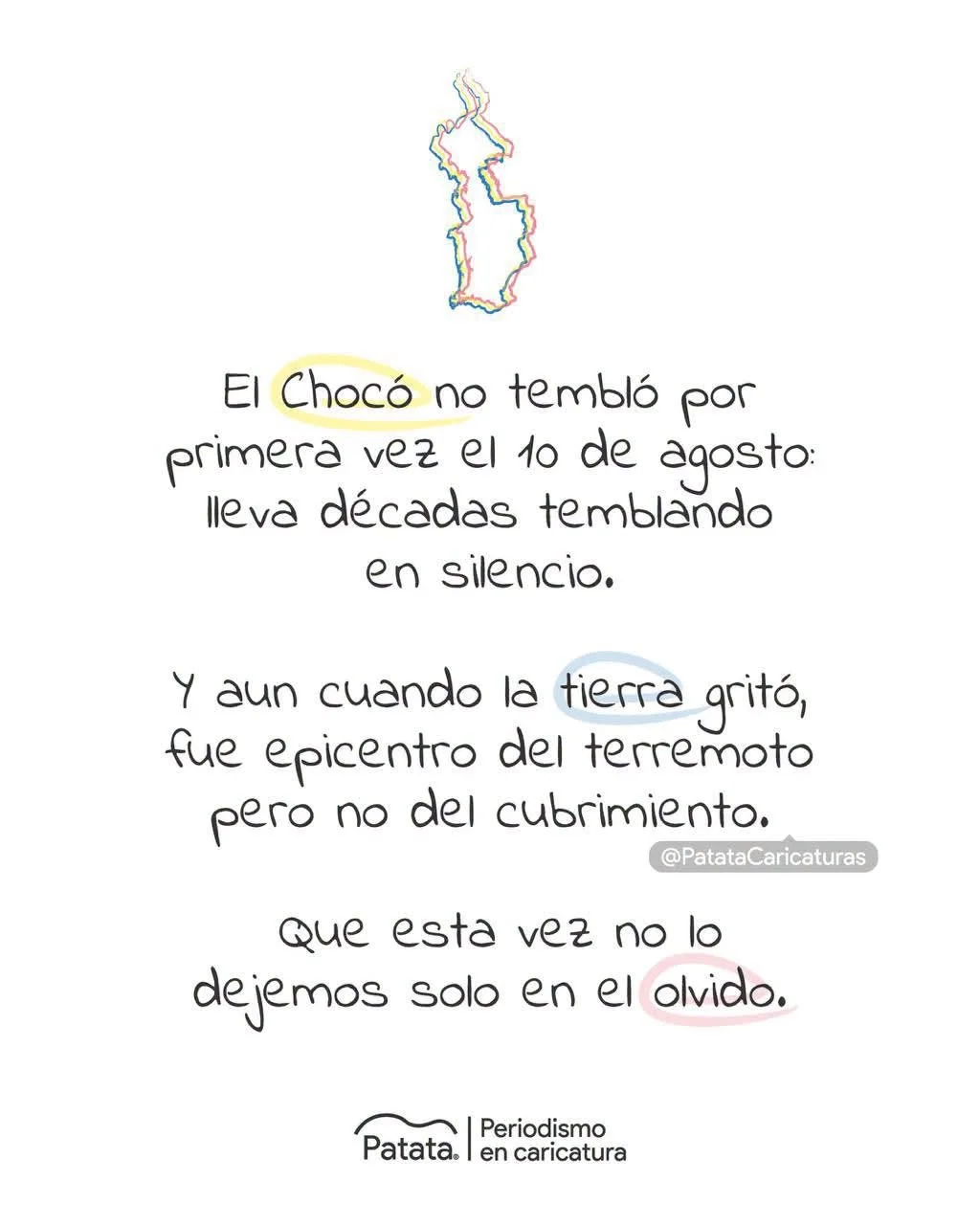
Note: DANE*: National Administrative Department of Statistics
Sources:
BBC MUNDO. (14 august 2026). "Somos demasiado pobres": cómo el terremoto agrava la desesperada situación en el Chocó, una de las regiones más olvidadas de Colombia.
RTVE NOTICIAS. (17 august 2026). Colombia se centra en buscar cuerpos una semana después del terremoto sin esperanza de encontrar supervivientes.
UNICEF. (17 august 2026). A una semana del terremoto en Colombia .
Author: Monserratte Vásquez